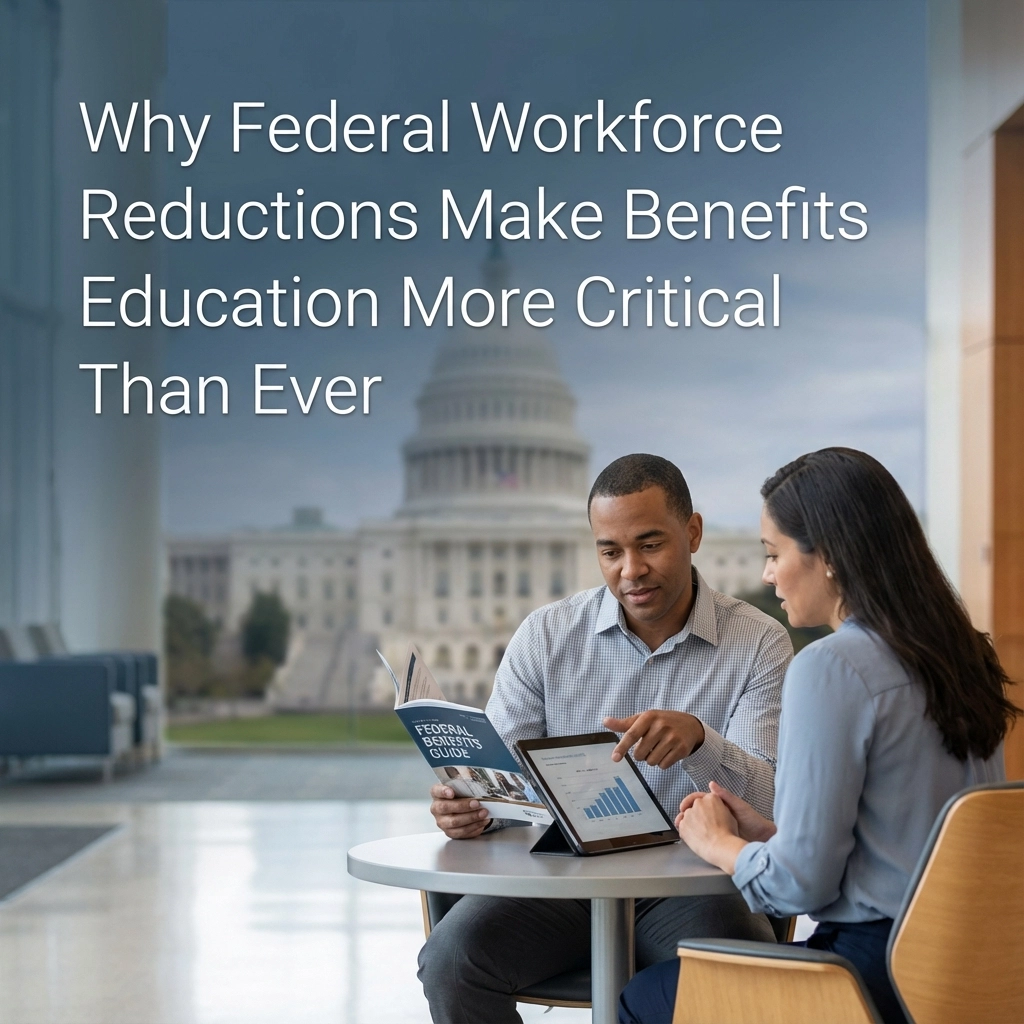
The federal workforce is going through some big changes. Across agencies like the United States Postal Service, Veterans Administration, Department of Defense, and Department of Labor, we’re seeing significant workforce reductions. While these changes create challenges, they also make understanding your federal benefits more important than ever before.
If you’re one of the federal employees who’s staying put during these transitions, you’re probably wondering what this all means for you. The truth is, when the workforce shrinks, the remaining employees often face increased responsibilities, changed job roles, and new pressures. That’s exactly why getting smart about your benefits isn’t just helpful: it’s essential.
The Reality of Federal Workforce Changes
Let’s be honest about what’s happening. Agencies across the federal government are restructuring, and that means fewer people are doing the same amount of work. Whether you work for the United States Postal Service handling mail delivery, serve as one of our dedicated Law Enforcement Officers keeping communities safe, or support our veterans at the Veterans Administration, you’ve probably noticed the changes.
The Department of Defense has been particularly affected, with various consolidations and efficiency initiatives. Even the Department of Labor, which helps protect workers’ rights, hasn’t been immune to these workforce adjustments. These reductions aren’t just numbers on a spreadsheet: they represent real changes in how federal agencies operate day-to-day.

When your workplace goes through these kinds of changes, it’s natural to feel uncertain. You might be taking on new duties, working with different teams, or even considering whether federal employment is still the right path for you. This uncertainty makes understanding your benefits package more crucial than ever before.
Why Benefits Education Matters More Now
Think about it this way: when you’re dealing with workplace stress and uncertainty, your benefits become your safety net. But here’s the problem: most federal employees don’t fully understand what benefits they have or how to use them effectively.
With workforce reductions, you’re likely facing increased job demands. Maybe you’re covering duties that used to belong to a colleague who took early retirement. Perhaps you’re working longer hours or dealing with more complex projects. During times like these, benefits like your health insurance, mental health support, and time off policies become incredibly important.
Your FERS (Federal Employees Retirement System) benefits are also more critical to understand now. With all the changes happening, you might be wondering about your retirement timeline. Should you stick it out until full retirement? Is there an opportunity for early retirement that makes sense for your situation? These aren’t questions you want to figure out at the last minute.
The Hidden Costs of Not Understanding Your Benefits
When you don’t understand your federal benefits, you’re literally leaving money on the table. And during workforce reductions, you can’t afford to do that. Here are some real ways employees miss out:
Health Insurance Mistakes: Many federal employees stick with the same health plan year after year without comparing options. With increased job stress, you might need better mental health coverage or different prescription benefits. The Federal Employees Health Benefits (FEHB) program offers dozens of options, but most people never explore them.
Retirement Planning Gaps: Your FERS benefits include three parts: your basic benefit, Social Security, and the Thrift Savings Plan (TSP). If you’re not maximizing your TSP contributions or understanding your service credit, you’re shortchanging your future self.
Leave and Workplace Rights: With increased workloads, understanding your leave options becomes crucial. Family and Medical Leave Act (FMLA) benefits, annual leave policies, and workplace accommodations can help you manage the extra pressure without burning out.

Life Insurance Oversights: Federal Employees’ Group Life Insurance (FEGLI) might need adjustment as your circumstances change. With workforce uncertainty, making sure your family is protected becomes even more important.
Special Considerations for Different Federal Employees
Different types of federal employees face unique challenges during workforce reductions:
United States Postal Service Employees: USPS workers are dealing with ongoing operational changes and financial pressures. Understanding postal-specific benefits, including the new Postal Service Health Benefits (PSHB) program that launched recently, is crucial for making informed decisions about your career and benefits.
Veterans Administration Staff: VA employees serve our nation’s veterans while often being veterans themselves. With potential changes in VA operations, understanding how your military service credit affects your federal benefits, plus any special veteran employee benefits, can significantly impact your financial planning.
Law Enforcement Officers: Federal law enforcement officers have special retirement benefits and different age requirements. With the demanding nature of law enforcement work and potential changes in agency structure, understanding your Law Enforcement Officer retirement benefits and when you’re eligible for them is essential.
Department of Defense Personnel: DoD employees, whether civilian or military-connected, often have complex benefit situations. Understanding how security clearances, overseas assignments, and defense-specific benefits work together helps you make better career decisions during uncertain times.
How Federal Benefits Service Helps Navigate These Changes
This is where Federal Benefits Service comes in. We understand that federal benefits are complicated, and they become even more confusing during times of change. We’re not here to sell you anything: we’re here to educate and guide you through your options.
Our approach is straightforward. We help federal employees understand exactly what benefits they have, how those benefits work together, and what options make sense for their specific situation. Whether you’re trying to decide between different health insurance options, figure out the best retirement strategy, or understand how workforce changes might affect your benefits, we provide clear, easy-to-understand guidance.

We work with employees from all federal agencies, so we understand the unique challenges facing United States Postal Service workers, Veterans Administration staff, Department of Defense personnel, and employees across all other federal departments. Our team stays current on benefit changes, new programs, and policy updates that might affect your situation.
Important Disclaimer: The information provided by Federal Benefits Service is for educational purposes only. We do not provide investment advice or guarantee any specific outcomes. It is very important to do your own analysis and research before making any decisions about your federal benefits. All benefit decisions should be based on your personal circumstances and, when appropriate, consultation with qualified professionals.
Taking Action: Your Next Steps
If you’re a federal employee dealing with workforce changes, here’s what you should do:
Review Your Current Benefits: Take time to understand what you currently have. Look at your health insurance, retirement contributions, life insurance, and leave balances. Don’t assume everything is optimized for your current situation.
Consider Your Timeline: With workforce changes, your career timeline might need adjustment. Are you closer to retirement than you thought? Should you be contributing more to your TSP? Understanding your options helps you make informed decisions.
Stay Informed: Federal benefits change regularly, and workforce reductions often come with new benefit options or changes to existing programs. Staying informed helps you take advantage of opportunities and avoid costly mistakes.
Seek Education, Not Sales: Work with professionals who focus on education rather than selling products. Understanding your options is more important than being pushed toward specific investments or insurance products.
Set a Benefits Review Meeting: Whether with your agency’s human resources department or with Federal Benefits Service, setting regular reviews of your benefits ensures you’re not missing opportunities or making costly oversights.
No Investment Advice – Educational Focus Only
Federal Benefits Service provides educational information about federal employee benefits. We do not provide investment advice, and our guidance should not be considered as such. All investment and benefit decisions should be made based on your personal research, circumstances, and when appropriate, consultation with qualified financial advisors.
Do your own research before making any benefit or financial decisions. The complexity of federal benefits requires careful consideration of your individual situation, and what works for one employee may not work for another.
Moving Forward with Confidence
Workforce reductions in federal agencies create challenges, but they also create opportunities for remaining employees to better understand and optimize their benefits. Whether you work for the United States Postal Service, Veterans Administration, Department of Defense, Department of Labor, or any other federal agency, taking time to understand your benefits isn’t just smart: it’s essential.
Federal Benefits Service is here to help you navigate these changes with clear, straightforward education about your options. We believe that informed federal employees make better decisions, and better decisions lead to more secure futures.
Remember: during times of change, knowledge is your best protection. Understanding your federal benefits gives you the confidence to handle whatever workplace changes come your way.
For more information about federal benefits education and guidance, visit Federal Benefits Service to learn how we can help you understand and optimize your federal employee benefits.