Federal employees across agencies including the United States Postal Service, Veterans Administration, Department of Defense, Department of Labor, and Social Security Administration must navigate complex holiday leave policies to maximize their time off during the Christmas season. Understanding these regulations and strategic planning approaches is essential for optimizing both professional obligations and personal time.
IMPORTANT DISCLAIMER: This content is provided for informational purposes only and does not constitute legal, financial, or employment advice. Federal employees must consult their agency’s human resources department and review current Office of Personnel Management guidelines for specific leave policies. Individual circumstances may vary significantly.
Federal Holiday Leave Framework and Agency Variations
The Federal Employees Retirement System (FERS) and Civil Service Retirement System provide foundational guidelines for holiday leave, but implementation varies substantially across federal agencies. Each agency maintains specific operational requirements that directly impact employee leave policies during Christmas periods.
United States Postal Service employees face unique considerations due to the organization’s essential service designation. USPS operations continue during most federal holidays, requiring careful coordination between operational needs and employee leave requests. Postal workers should consult their local postmaster and union representatives regarding specific Christmas leave allocations.
Veterans Administration medical facilities and regional offices maintain critical healthcare and benefit processing functions. VA employees must coordinate leave requests well in advance, particularly those in patient care roles or benefit processing positions. Emergency staffing requirements may limit available leave options for certain classifications.
Law Enforcement Officers within federal agencies operate under specialized leave policies due to security and public safety responsibilities. These personnel must coordinate with supervisory staff to ensure adequate coverage during holiday periods while maximizing personal leave opportunities.
Department of Defense civilian employees and military personnel face varying leave policies depending on assignment location, security clearance requirements, and operational tempo. DOD employees should review specific command policies regarding Christmas leave approval processes.
Department of Labor employees typically follow standard federal leave policies, but those involved in unemployment insurance processing or worker safety inspections may face operational constraints during holiday periods.

Strategic Leave Planning and Banking Approaches
Effective holiday leave management requires comprehensive planning that extends beyond the immediate Christmas period. Federal employees should implement systematic approaches to maximize available time off while maintaining compliance with agency policies.
Annual Leave Accumulation Strategies
Federal employees earn annual leave based on length of service, with rates varying from 4 hours per pay period for new employees to 8 hours per pay period for employees with 15 or more years of service. Strategic accumulation throughout the year enables extended holiday periods.
It is very important to analyze your annual leave balance regularly and coordinate with supervisory personnel regarding planned usage. Employees approaching the annual leave ceiling must take immediate action to avoid forfeiture of earned leave benefits.
Use-or-Lose Leave Considerations
Federal regulations typically require employees to use accumulated annual leave above specified thresholds by the end of each leave year. Failure to utilize excess leave results in forfeiture, representing significant economic loss for affected employees.
Conservative planning approach: Schedule leave usage throughout the year to maintain optimal balance.
Moderate planning approach: Coordinate extended periods during holidays while maintaining operational coverage.
Aggressive planning approach: Maximize leave usage during peak periods while accepting potential scheduling conflicts.
Leave Sharing and Transfer Programs
Federal agencies maintain leave sharing programs enabling employees to donate unused annual leave to colleagues facing medical emergencies or family crises. Understanding these programs provides additional flexibility during holiday periods.
Critical Pitfalls and Compliance Requirements
Federal employees must avoid common errors that result in leave forfeiture, disciplinary action, or operational disruptions. These pitfalls require careful attention and proactive management.
Insufficient Advance Notice
Agency policies typically require advance notice for leave requests, particularly during high-demand periods such as Christmas. Failure to provide adequate notice may result in leave denial or rescheduling requirements.
Operational Coverage Conflicts
Agencies maintain minimum staffing requirements during holiday periods. Employees requesting leave must coordinate with colleagues to ensure adequate coverage of essential functions. Failure to coordinate properly may result in leave denial.
Leave Balance Miscalculations
Employees must accurately track leave balances to avoid requesting more leave than available. Payroll systems may require several pay periods to reflect leave usage, creating potential discrepancies.
Documentation and Record Keeping
Proper documentation of leave requests, approvals, and usage is essential for compliance with federal regulations. Employees should maintain personal records of all leave transactions for verification purposes.
Technology Integration and Mobile Applications
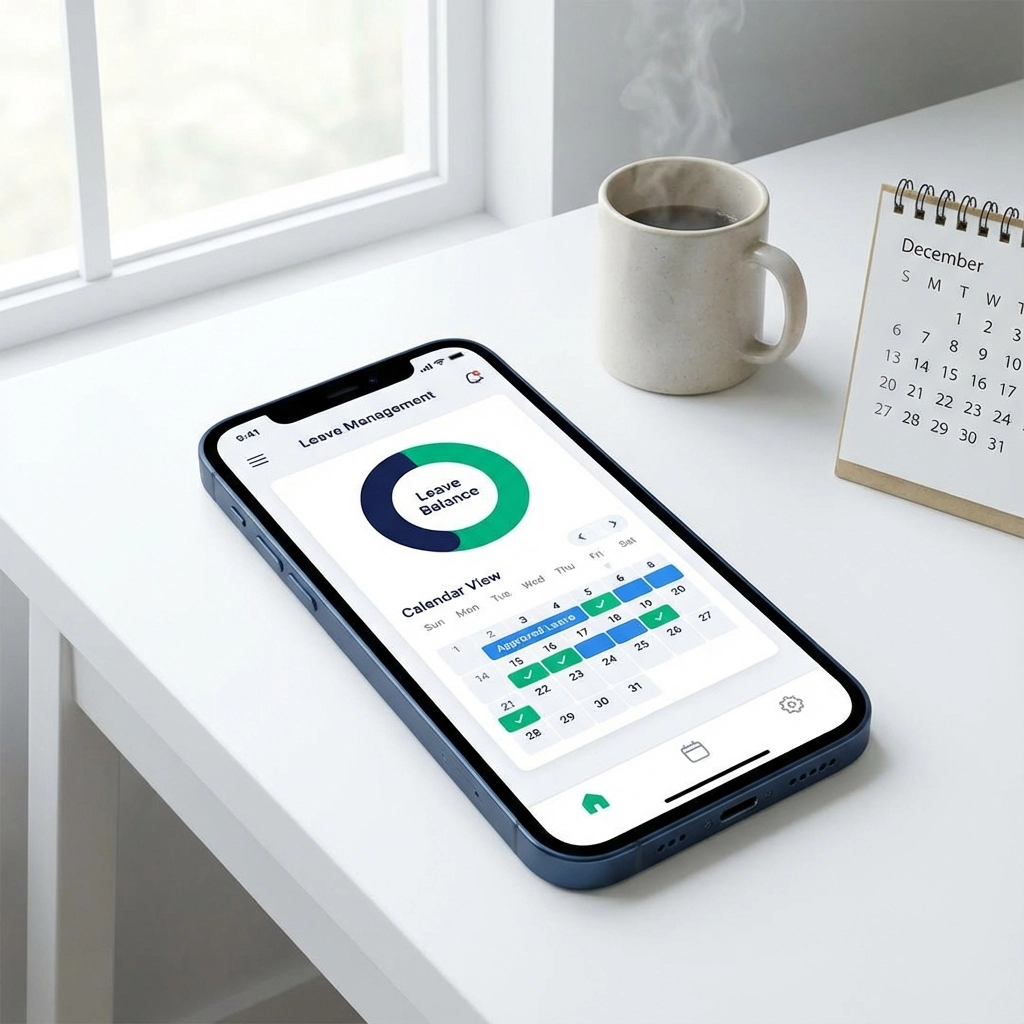
Federal employees should utilize available technology resources to optimize leave management and planning. Many agencies provide mobile applications and online portals for leave request submission and balance monitoring.
Set a meeting with your agency’s human resources department to review available technology resources and ensure proper system access. Download the appropriate mobile application if available for your agency.
Electronic Leave Request Systems
Most federal agencies utilize electronic systems for leave request submission and approval processes. These systems provide real-time balance information and automated approval workflows.
Calendar Integration
Integrate leave planning with digital calendar systems to coordinate personal and professional obligations effectively. This approach minimizes scheduling conflicts and optimizes family time during holiday periods.
New Employee Considerations
Federal employees with less than three years of service face unique challenges regarding holiday leave planning due to lower annual leave accrual rates and probationary period restrictions.
Probationary Period Limitations
New federal employees typically serve probationary periods with specific leave usage restrictions. Review your agency’s probationary period policies carefully before requesting extended holiday leave.
Leave Without Pay Options
New employees may consider leave without pay arrangements to extend holiday periods when insufficient annual leave is available. These arrangements require supervisory approval and may impact benefits eligibility.
Career Development Coordination
Coordinate holiday leave plans with required training programs, orientation sessions, and performance evaluation schedules to avoid conflicts with career development requirements.
Long-Term Employee Optimization Strategies
Federal employees with extensive service records possess accumulated leave balances and institutional knowledge that enable sophisticated holiday planning approaches.
Maximum Leave Accumulation
Senior employees earning maximum annual leave rates can implement comprehensive planning strategies that extend holiday periods significantly while maintaining operational effectiveness.
Retirement Timing Coordination
Employees approaching retirement eligibility should coordinate holiday leave usage with retirement planning to optimize final year benefits and leave payouts.
Mentorship and Knowledge Transfer
Senior employees should coordinate leave schedules to ensure adequate knowledge transfer and mentorship availability during holiday periods when newer staff members may require additional support.
Financial Implications and FERS Considerations
Holiday leave decisions impact long-term financial planning under the Federal Employees Retirement System. Employees should evaluate these implications carefully when developing leave strategies.
Leave Payout Calculations
Unused annual leave receives payout upon separation from federal service. Understanding payout calculations enables informed decisions regarding leave usage versus accumulation strategies.
Benefits Continuation
Extended leave periods may impact certain benefit programs. Review Federal Employees Health Benefits and Federal Employees Group Life Insurance policies regarding leave without pay provisions.
It is very important to do your own analysis of financial implications and consult with qualified financial advisors regarding long-term impacts of leave decisions on retirement planning.
Conclusion and Compliance Reminders
Federal employees must approach holiday leave planning with comprehensive understanding of agency policies, regulatory requirements, and personal financial implications. Strategic planning enables optimization of available benefits while maintaining professional obligations.
No Investment Advice: This information does not constitute investment advice or recommendations regarding Federal Thrift Savings Plan contributions or other financial decisions.
Do Your Own Research: Federal employees must independently research and verify all information regarding leave policies, benefits implications, and agency-specific requirements.
All federal employees should consult directly with their agency’s human resources department, review current Office of Personnel Management guidelines, and seek professional advice regarding complex leave planning decisions. Individual circumstances vary significantly, and this information serves general educational purposes only.
For comprehensive federal benefits guidance and personalized consultation services, visit Federal Benefits Service to schedule a professional review of your specific circumstances and optimization opportunities.